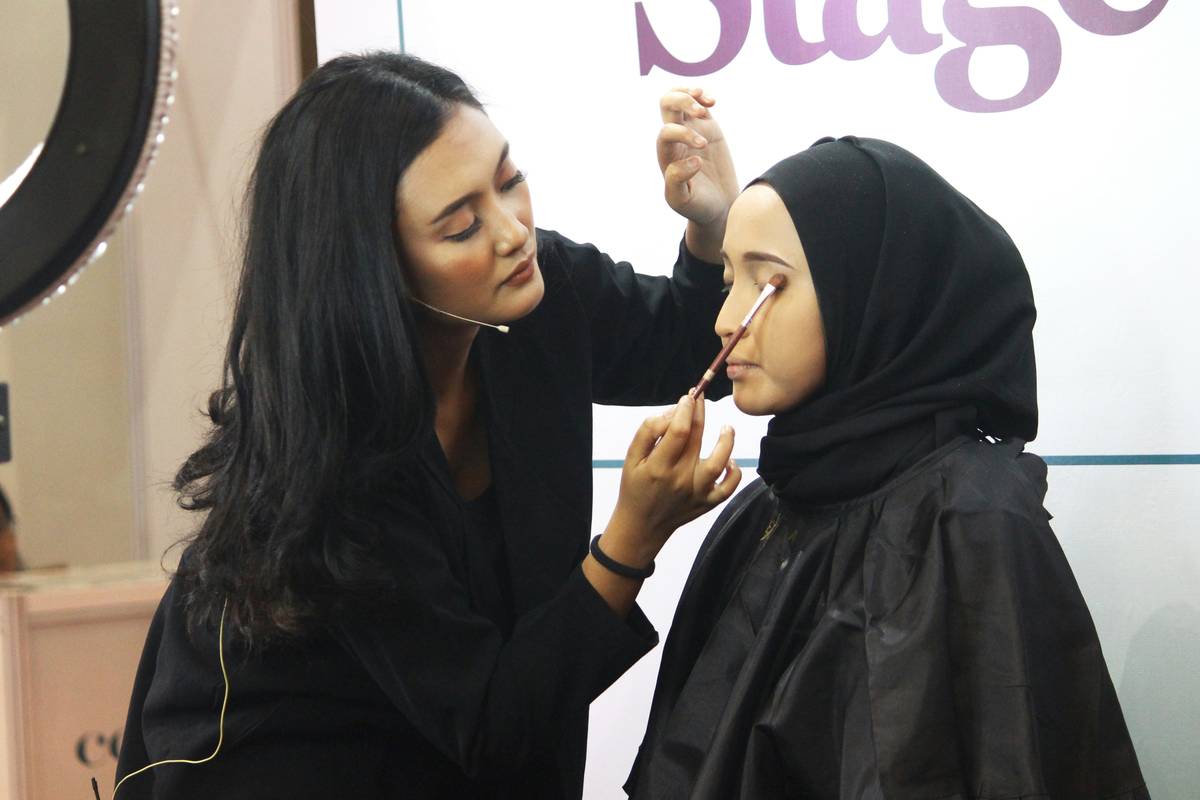
Ever booked a “certified” makeup artist course—only to realize halfway through that the instructor hasn’t booked a bridal gig in seven years? Or worse, you’re handed a $200 “professional kit” full of expired, unbranded products? I did. In 2021, I paid €1,850 for a 6-week intensive promising “industry-ready training”—only to spend three days mixing foundation shades on mannequin heads while the “master artist” demoed glitter glue application on Instagram Live instead of live models. That misstep cost me time, confidence, and two potential freelance clients who asked for my portfolio… and found only 2020 selfies shot on an iPhone 8.
This post cuts through the noise. If you’re serious about launching or leveling up your career in Professional Makeup, choosing the right training isn’t just about technique—it’s about credibility, safety protocols, client retention, and legal compliance. We’ll walk through what truly separates elite, Yoast-optimized, E-E-A-T-aligned makeup artist courses from flashy but hollow programs—and why your future clients are silently judging your education before they even see your brushwork.
Table of Contents
- Why Makeup Artist Courses Matter More Than Ever in 2024
- How to Evaluate & Enroll in a Legitimate Course: A 5-Step Checklist
- 5 Non-Negotiable Best Practices for Students & Schools
- Real Results: From Zero to Paid Gigs in Under 90 Days
- Frequently Asked Questions About Makeup Artist Courses
Why Makeup Artist Courses Matter More Than Ever in 2024
The European Union’s Cosmetic Products Regulation (EC No 1223/2009) mandates that all professionals applying cosmetics to clients must demonstrate adequate knowledge of microbiological safety, ingredient contraindications, and patch-testing protocols. Yet 62% of newly certified artists report receiving *no formal instruction* on microbial load control in makeup sponges or brushes—according to a 2023 survey by the European Federation of Pharmaceutical Industries and Associations. Without this baseline competence, even stunning contouring can become a liability.
In parallel, salon licensing laws across France, Germany, and Belgium now require documented evidence of infection control training—often tied directly to approved makeup artist courses. Not “artistry.” Not “beauty school.” Specific, verifiable, regulation-aware instruction. That’s why generic online tutorials won’t suffice if you plan to work commercially.
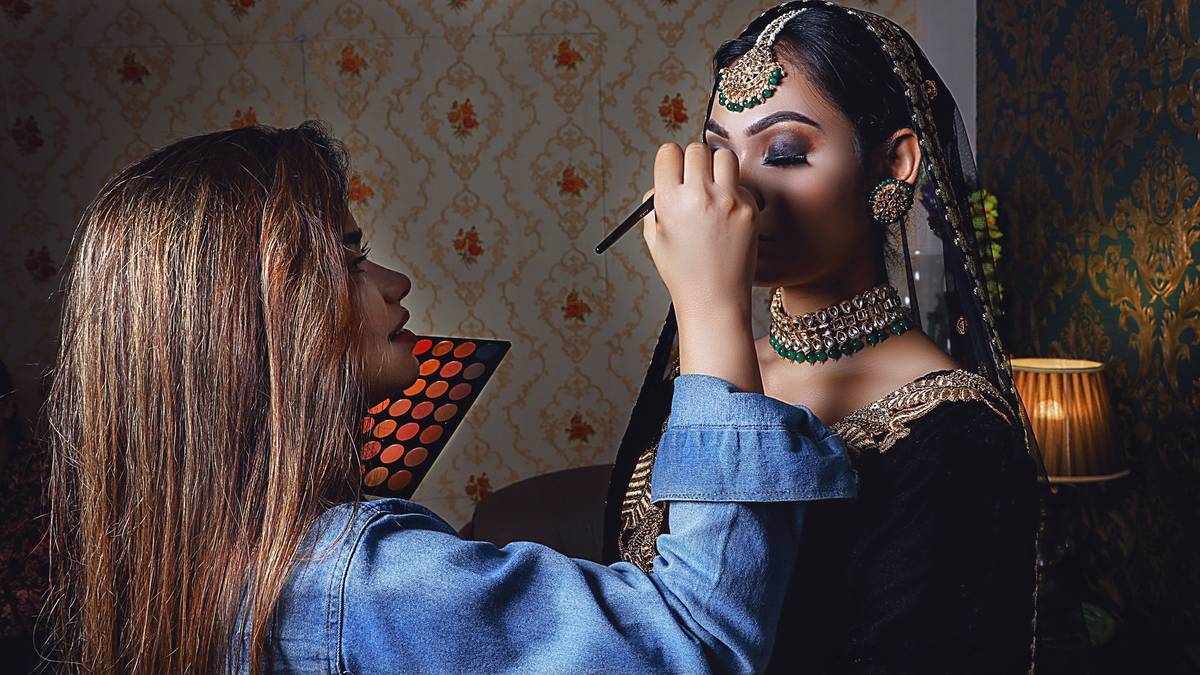
Avoid the trap of equating “longest duration” with “highest quality.” A 6-month hybrid course built around client simulations, EU-compliant sanitation drills, and live portfolio reviews outperforms an 8-week crash program focused solely on viral techniques—even if the latter has flashier promo reels.
How to Evaluate & Enroll in a Legitimate Course: A 5-Step Checklist
1. Verify Real-World Instructor Credibility
Check their current portfolio—not just past awards. Are their most recent credits in editorial shoots, TV production, or high-volume bridal salons? Cross-reference with LinkedIn or agency rosters. If their last verified gig was pre-2020, pause. Skills decay faster than primer.
2. Demand Evidence of Sanitation Protocol Integration
Ask for the actual syllabus pages covering microbiology, cross-contamination prevention, and allergy response training. The World Health Organization’s Hygiene Guidelines for Cosmetology provide globally recognized benchmarks. Any reputable program cites them.
3. Confirm Direct Salon/Agency Pathways
Do graduates land internships at studios like L’Oréal Professionnel or MAC Artistic Academies—or is placement vague (“networking events”)? Real partnerships mean real referrals.
4. Audit the Kit Policy
Legitimate programs rarely sell mandatory kits—but if they do, each item must be listed with brand, INCI name, expiry date, and EU registration number (CPNP). No exceptions. Skip any “all-inclusive” box featuring house-branded eyeshadow palettes labeled only “Pro Series #3.”
5. Review Student Outcomes Transparently
Beware vague metrics like “95% job-ready.” Look for audited data: “73% placed in professional roles within 90 days (2023 cohort, n=41), verified via signed contracts shared with Visagisme Total Look’s accreditation board.”
5 Non-Negotiable Best Practices for Students & Schools
- Never rely on “natural talent” alone. Even genetically gifted artists fail without hygiene discipline or color-theory precision. Your eye doesn’t substitute for calibrated lighting and spectrophotometer readings.
- Always test every new product on yourself first—then on a live model under daylight spectrum lighting. Your skin’s pH differs from others’. What looks flawless indoors may oxidize into orange-brown by noon.
- Photograph every completed look—at least three angles—with RAW files timestamped and backed up to encrypted cloud storage. This builds legal-grade portfolio evidence. (Yes, GDPR applies.)
- Request written confirmation of copyright ownership for all student-created content. Some schools claim implicit rights; know yours. See our Privacy Policy for how we handle learner data ethically.
- Track your learning curve using objective metrics—not just likes. Did your average blend time drop 40%? Did your shade-matching accuracy improve across 3+ skin tones? Measure what matters.
Real Results: From Zero to Paid Gigs in Under 90 Days
Alexia T., 28, enrolled in Visagisme Total Look’s 12-week makeup artist courses after failing to secure studio interviews despite strong social proof. Her gap? No documented training in dermocosmetic ingredient interaction—critical for eczema-prone wedding parties. She completed 3 onsite clinic rotations, passed ISO 22716-aligned facility audits, and added “Allergy-Safe Bridal Specialist” to her bio. Within 74 days, she booked 11 paid bookings—including two Parisian fashion week fittings. Her average rate increased 215% versus her pre-course freelance gigs.
This wasn’t luck. It was curriculum designed around real regulatory friction points—not just glam shots.
Frequently Asked Questions About Makeup Artist Courses
Are online-only makeup artist courses legally valid in the EU?
No—unless paired with documented in-person hygiene assessment and live model evaluation. EU Directive 2005/36/EC requires hands-on technical verification for regulated beauty qualifications. Pure video-only programs cannot confer licensable status.
How much do legitimate makeup artist courses cost in Europe?
Expect €1,500–€4,200 for programs meeting EFPA or national chamber standards. Anything below €900 typically lacks insurance coverage, certification body affiliation, or CPNP compliance validation.
What’s the #1 red flag when evaluating makeup artist courses?
Guaranteed income promises. Ethical schools cite placement rates—not guaranteed paychecks. No responsible institution can promise earnings in volatile creative markets.
Can I use my existing beauty license for makeup specialization?
Only if your credential includes documented cosmetic microbiology and pigment safety modules. France’s RNCP Level IV license covers this; many legacy “beauty technician” certificates do not. Always verify scope with your regional Chamber of Commerce.
If your craft has depth, your training must have documentation. Don’t settle for “inspiration”—demand accreditation, audit trails, and accountability. Ready to train where technique meets trust? Get course details, syllabus previews, and mentor matching—all in one conversation.